
The overload oil pump serves as the core ultimate hydraulic safety protection component of mechanical punch presses. As the power source of the punch press overload protection system, it mainly performs automatic pressure relief, buffer unloading and equipment protection functions under working conditions such as stamping overload, material jamming and stalling, and instantaneous overload. It releases excess slide block pressure within milliseconds, preventing major equipment accidents including crankshaft torsion and fracture, connecting rod cracking, frame deformation and mold burst.
Common daily faults of punch presses, such as no overload alarm, ineffective pressure relief, insufficient pressure, pressure relief oil leakage, reset jamming and frequent false overload, are mostly caused by low-precision pump materials, aging seals, valve core wear, inaccurate pressure calibration and non-standard maintenance operations. In foreign trade procurement, ordinary low-pressure oil pumps, refurbished oil pumps and non-standard precision oil pumps are the leading causes of terminal equipment major malfunctions and after-sales compensation claims. This paper comprehensively analyzes the structural principles, materials and craftsmanship, factory quality control standards, fault causes, foreign trade selection criteria, as well as core maintenance and overhaul key points of punch press dedicated overload oil pumps.
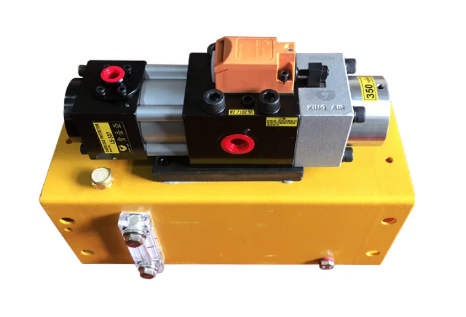
1. Core Structure and Working Principle of Overload Oil Pumps for Punch Presses
Core Structural Composition: The overload oil pump consists of eight core components, including a precision pump body, high-pressure plunger, spring pressure regulating assembly, check valve core, sealing assembly, oil storage chamber, pressure sensing interface and reset structure. Adopting a full precision-fit structure with zero redundant clearance, it delivers stable operation under high-pressure working conditions.
Normal Pressure Holding Principle: During normal stamping operation, the internal pressure of the overload oil pump is maintained at the standard preset value. The check valve closes to achieve pressure locking, and the plunger steadily supports the slide block pressure to maintain equipment stamping rigidity. No pressure relief or pressure attenuation occurs during operation, ensuring consistent stamping accuracy.
Overload Pressure Relief Protection Principle: When excessive workpiece thickness, foreign matter inside the mold or material jamming causes the load to exceed the standard value, the internal cavity pressure instantly surpasses the preset threshold. The high-pressure valve core opens automatically for pressure relief, and the slide block sinks flexibly to complete unloading. This instantly releases excessive impact force and protects the core transmission components and mold structure of the entire equipment.
Automatic Reset Principle: After overload pressure relief is finished and the equipment completes resetting, the oil pump automatically performs oil replenishment and pressure locking via its built-in spring and pressure compensation structure, rapidly restoring the rated working pressure. Manual repeated pressure adjustment is not required, making it suitable for continuous automated stamping operations.
2. Materials of Key Components and Precision Processing Techniques
Pump Body Material: Adopting an integral structure of high-strength die-cast alloy and precision forged steel, the pump body features high density and excellent compression resistance with minimal deformation tendency. It can withstand long-term high-frequency and high-pressure impact loads, eliminating risks such as pump body cracking, oil leakage and deformation-induced pressure relief.
Plunger and Valve Core Material: Manufactured from high-hardness bearing steel and processed via precision quenching and mirror finish grinding, these components feature micron-level fitting clearance, outstanding wear resistance, superior impact resistance and excellent sealing performance. No wear or jamming occurs during long-term reciprocating motion.
Pressure Regulating Spring Material: Forged from high-quality alloy spring steel and subjected to tempering and shaping treatment, the spring delivers uniform elasticity and excellent fatigue resistance without elastic attenuation. When exposed to long-term high-frequency pressure impact, the pressure threshold remains stable free of shift or failure.
High-Pressure Sealing Material: Imported high-pressure and aging-resistant fluororubber seals are used. Compatible with hydraulic oil working conditions, they feature heat resistance, anti-swelling property and wear resistance, which prevents seal deformation, oil leakage and micro seepage under long-term high-pressure conditions.
3. Precision Quality Control Process for Complete Machine Assembly and Factory Delivery
Precision Component Cleaning and Dust Removal: All precision parts undergo ultrasonic precision cleaning and drying before assembly to thoroughly remove iron filings, impurities and oil contaminants, preventing valve core jamming and seal scratches caused by micro particles.
Micro-Clearance Precision Assembly: All assembly procedures are carried out at dust-free workstations to strictly control the fitting clearance between the plunger, valve core and pump body. Excessive clearance tends to cause pressure relief and oil leakage, while insufficient clearance may lead to jamming and failure of pressure relief. This assembly standard precisely matches the high-pressure operating conditions of punch presses.
Precise Pressure Calibration: Pressure is adjusted in stages according to the rated tonnage of the punch press to calibrate and lock the rated overload pressure and pressure threshold. This ensures accurate overload actuation and zero false pressure relief under normal operating conditions, delivering precise and traceable technical parameters.
High-Pressure Pressure Holding Test: Long-duration pressure holding inspection is conducted at rated pressure with full-process monitoring of pressure stability. Units showing no pressure relief, no leakage and no pressure drift are deemed qualified, which eliminates potential hidden risks of slow seepage.
Overload Simulation Test: Material jamming and overload conditions are simulated repeatedly to verify pressure relief response speed, unloading effect and automatic reset performance, ensuring sensitive and reliable protection action.
Whole Machine Aging Test: Long-term continuous operation testing is performed under actual working conditions to screen potential defects including fatigue failure, seal leakage and pressure deviation, ensuring consistent batch quality stability.
4. Common Faults and Root Causes of Overload Oil Pumps
Overload Failure with No Pressure Relief: Valve core jamming, impurity blockage, spring fatigue and elastic attenuation, as well as excessively calibrated pressure values will result in operational overload and failed pressure relief, which may easily cause severe equipment damage.
Frequent False Overload and Abnormal Pressure Relief Under Normal Conditions: Excessive assembly clearance, pressure relief caused by seal aging, improperly low calibrated pressure, and oversized clearance due to valve core wear will lead to abnormal unloading during normal stamping operations, adversely affecting production accuracy and operational efficiency.
Pump Body Oil Leakage and Slow Pressure Relief: Aging and damage of sealing components, plunger wear, uneven pump body mating surfaces and insufficient assembly compression will cause oil leakage and slow pressure relief. Long-term oil seepage leads to insufficient working pressure and eventual protection failure of the equipment.
Reset Jamming and Slow Pressure Replenishment: Internal oil circuit blockage, spring deformation and valve core jamming hinder rapid pressure replenishment and resetting during the return stroke, resulting in insufficient secondary stamping pressure and precision deviation.
Unstable Pressure and Drift Fluctuations: Poor machining accuracy of accessories, spring fatigue, insufficient assembly accuracy, and pressure deviation induced by working condition vibration will lead
5. Key Points for Standardized Daily Maintenance and Service Life Extension
Regular Replacement of Dedicated Hydraulic Oil: Select anti-wear hydraulic oil specially formulated for punch presses. Inferior and turbid oil products shall not be used to avoid abrasion of precision valve cores and seals caused by impurities contained in the oil.
Regular Pressure Calibration: Calibrate the overload pressure threshold every quarter to correct parameter offset induced by working condition vibration and maintain consistent protection accuracy.
Timely Replacement of Aged Seals: Replace the seal assembly regularly according to service frequency to pre-empt risks of oil leakage and pressure relief and avoid unplanned shutdowns caused by sudden failures.
Keep Oil Passages Clean: Clean oil passages and filter elements regularly to prevent sludge and impurities from blocking the valve core, ensuring unobstructed oil flow and responsive operation.
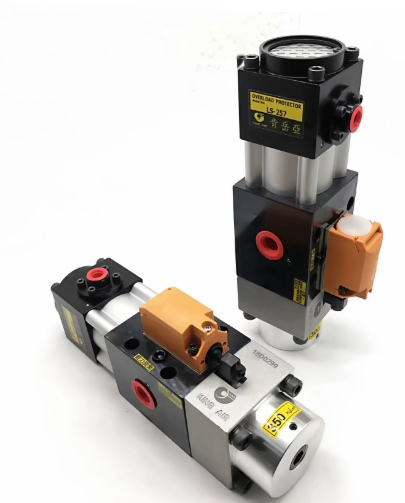
6. Core Guide to Avoiding Pitfalls in Foreign Trade Procurement
Reject Substitution of General Low-Pressure Oil Pumps: Ordinary general low-pressure oil pumps feature insufficient pressure resistance and unstable pressure relief thresholds. They are prone to failure under high-pressure working conditions and cannot serve as a substitute for high-pressure overload oil pumps professionally customized for punch presses.
Beware of Refurbished and Second-Hand Reconfigured Oil Pumps: Internal springs, valve cores and seals inside refurbished oil pumps have suffered fatigue damage. Such units tend to malfunction after short-term operation without stable warranty coverage, bringing extremely high after-sales risks.
Avoid Purchasing Products Without Pressure Calibration: Non-standard oil pumps lacking precise tonnage-based pressure calibration feature disordered trigger logic. They are susceptible to protection failure or false protection, which may cause equipment damage.
Prioritize Complete Set Matching Procurement: Select oil pump models precisely matched to the tonnage and specification of the punch press. The mixed use of non-standard accessories will cause incompatibility of the protection system and result in frequent whole-machine failures.