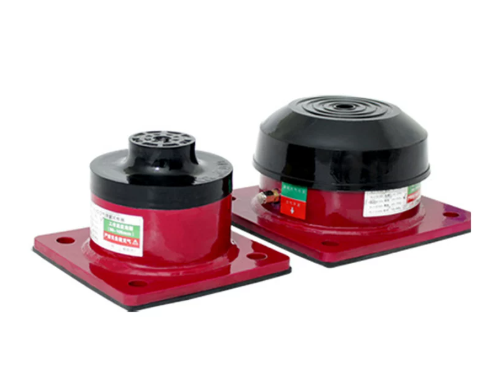
Air springs (punch press shock-absorbing airbags) serve as core components for vibration damping, buffering and pressure stabilization on stamping equipment. They are primarily adopted to absorb high-frequency vibrations and transient impact loads generated during high-speed stamping operations. The air springs can effectively buffer the downward inertia of the slide block, balance the pressure of the machine frame and mitigate equipment resonance.
Typical operational defects of punch presses, including frame shaking, floor vibration, die chipping, loose fittings, excessive noise, precision deviation and abnormal operating noise during long-term service, are largely associated with aging shock-absorbing airbags, inadequate air tightness, elastic degradation, structural delamination and substandard pressure resistance.
As adaptable consumable accessories for punch presses, air springs are often evaluated by overseas buyers merely based on outer dimensions. Insufficient attention paid to rubber formulation, fabric ply quantity, sealing technology and pressure resistance criteria will trigger after-sales troubles such as damping failure, air leakage, collapse and premature scrapping after installation. This paper thoroughly analyzes the structural materials, manufacturing processes, quality inspection specifications, failure mechanisms and key procurement pitfalls to avoid for punch press air springs in foreign trade.
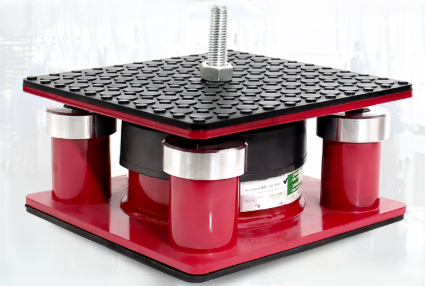
1. Core Structure & Material Selection of Punch Press Air Springs
Outer Rubber Layer: Manufactured from a compound formula of high-elasticity, ageing-resistant chloroprene rubber and natural rubber. It delivers excellent wear resistance, weather resistance, tensile resistance and crack resistance. The material adapts to workshop environments with oil contamination, dust and wide temperature fluctuations, and resists deformation and cracking after prolonged repeated expansion and contraction.
Reinforced Fabric Layer : Multiple layers of high-strength polyester and nylon fabric are built inside with a warp-weft interwoven structure. This greatly improves the pressure resistance and tensile strength of the airbag, preventing bulging, expansion deformation and bursting under high inflation pressure. It serves as the core structural feature that differentiates high-quality airbags from low-grade alternatives.
Inner Air-Tight Rubber Layer: Constructed from high-density air-impermeable rubber with seamless adhesion and outstanding air tightness. It maintains stable pressure over an extended period without slow air leakage or pressure drop, avoiding insufficient air pressure and damping failure during punch press operation.
Metallic Components: The top and bottom cover plates, locking bolts and air nozzles are fabricated from rust-proof alloy steel and galvanized carbon steel. These materials feature corrosion resistance, rust resistance and high pressure resistance with minimal deformation. They guarantee tight assembly and stable load bearing, and can withstand long-term vibrating working conditions without loosening.
2. Complete Production Process Flow of Air Springs
Rubber Compounding Modification: Natural rubber, synthetic rubber, wear-resistant fillers and anti-ageing additives are proportioned precisely, followed by homogeneous high-temperature compounding. This optimizes the elasticity, toughness and weather resistance of the rubber compound, ensuring consistent and stable performance across batches.
Multi-Layer Lamination Molding: Adopting a layer-by-layer lamination process, the inner airtight rubber layer, intermediate reinforcing fabric layer and outer protective rubber layer are laminated and compacted sequentially. No bubbles, delamination or wrinkles occur; the whole structure is integrally formed to guarantee uniform pressure resistance.
Pre-Treatment of Metal: Components Metal cover plates and air nozzles are subjected to rust removal, grinding and galvanized anti-corrosion treatment. The surfaces are finely roughened to improve bonding strength with rubber layers and avoid delamination and peeling.
High-Temperature Mold Vulcanization: Special precision molds are used for high-temperature and high-pressure vulcanization and shaping. This achieves tight adhesion between rubber and metal parts, stabilizes the internal structure, and improves overall strength, elastic stability and fatigue resistance.
Edge Trimming and Shaping: Finished products undergo precision trimming and smoothing to remove burrs and excess rubber. This delivers regular geometry and excellent assembly tolerance, and prevents damage arising from local stress concentration.
Airtightness Calibration and Forming: Preliminary inflation forming and calibration are carried out to stabilize the extension stroke and elastic coefficient of the airbag. It ensures smooth lifting and lowering, consistent buffering performance without skewing or jamming.
3. All core components undergo complete quality inspection and performance testing before factory delivery
High-pressure Air Tightness Test:Inflate to rated standard air pressure and hold pressure for long-term monitoring. No air leakage, pressure drop or local bulging shall occur during the whole test. Products can only be delivered out of factory after passing air tightness inspection.
Telescopic Stroke Test:Carry out repeated full-stroke telescopic tests to calibrate the maximum stroke and minimum buffer clearance. This ensures compliance with buffer standards for corresponding tonnage presses and guarantees precise stroke without offset.
Pressure Load Test:Simulate the press’s rated load pressure test to verify the airbag’s load capacity and anti-expansion deformation performance, avoiding bulging or rupture caused by high-pressure overload.
High-frequency Fatigue Durability Test:Perform tens of thousands of reciprocating stretching and vibration simulation tests to evaluate the rubber’s anti-aging and anti-fatigue properties, maintaining stable elasticity under long-term high-frequency operation.
Weathering Aging Test:Simulate temperature variation, humidity and oil pollution environments encountered during ocean shipping to test the rubber’s resistance to corrosion, cracking and aging, adapting to complicated overseas application conditions.
Full Visual & Structural Inspection:Inspect every unit for surface cracks, lamination, air bubbles and deformation. All metal fittings shall be free of rust and blemishes to guarantee consistent finished product quality.
4. The Gap Between High-Quality and Low-Quality Air Spring Cores
Structural hierarchy gap: Genuine multi-layer cord fabric reinforced structure with three layers of adhesive bonding, high pressure resistance and stable elasticity; Inferior products reduce cord fabric layers and adopt single thin adhesive layer, which are easy to deform, bulge and leak air under high pressure.
Material Lifespan Gap: Authentic composite anti-aging rubber features wear resistance, crack resistance and long service life. Low-cost mixed rubber materials tend to harden, crack and delaminate, and will rupture and lose efficacy after short-term use.
Bonding Process Gap: Genuine products adopt one-piece bonding through high-temperature vulcanization, preventing delamination between rubber and metal. Inferior items use simple cold bonding process, which is highly likely to suffer adhesive peeling, air leakage and collapse.
Shock Absorption Effect Gap: Genuine products feature uniform elasticity and soft buffering, effectively mitigating equipment vibration. Inferior airbags deliver inconsistent elasticity and poor cushioning performance, leading to violent machine shaking and fast precision loss.
5. Common Failure Modes and Root Causes of Air Springs
Slow Air Leakage and Insufficient Pressure Holding: This problem arises from loose internal airtight glue, inadequate bonding, and poor sealing of the air nozzle, which directly leads to weak shock absorption and aggravated stamping vibration.
Surface Cracking, Peeling and Ageing: Poor rubber formulation lacking anti-ageing additives will lead to surface defects. Continuous vibration and temperature cycling harden the rubber and trigger crack formation.
Local Bulging, Deformation and Bursting: Insufficient fabric layers and loose internal structure result in substandard pressure resistance, causing local expansion, deformation and rupture under high-pressure loads.
Delamination of Adhesive Layers: Insufficient vulcanization temperature and pressure, inadequate pre-treatment of metal components and insufficient bonding strength will result in delamination failure.
Travel Jamming and Deviation Deformation: Low forming accuracy and asymmetric structure cause expansion and contraction offset after installation. Uneven force distribution accelerates local wear and structural damage.
6. Core Guide to Avoiding Pitfalls in Foreign Trade Procurement
Do Not Select the Model Merely According to External Dimensions: Identical overall dimensions do not equate to the same structure, ply quantity or materials. Low-grade airbags with reduced fabric plies come at a lower price yet carry an extremely high failure rate.
Beware of Airbags Made from Recycled Blended Rubber: Recycled rubber features unstable performance and tends to age and crack easily, rendering them entirely unsuitable for long-term service in overseas projects.
Identify the High-Temperature Vulcanization Integrated Molding Process: Products manufactured via non-vulcanized cold bonding exhibit weak bonding strength. They are susceptible to delamination and air leakage caused by rough sea transportation and prolonged vibration.
Precise Specification Matching According to Tonnage: Punch presses of different tonnages require airbags with dedicated pressure resistance and stroke ratings. Improper specification matching may result in damping failure and overload damage.