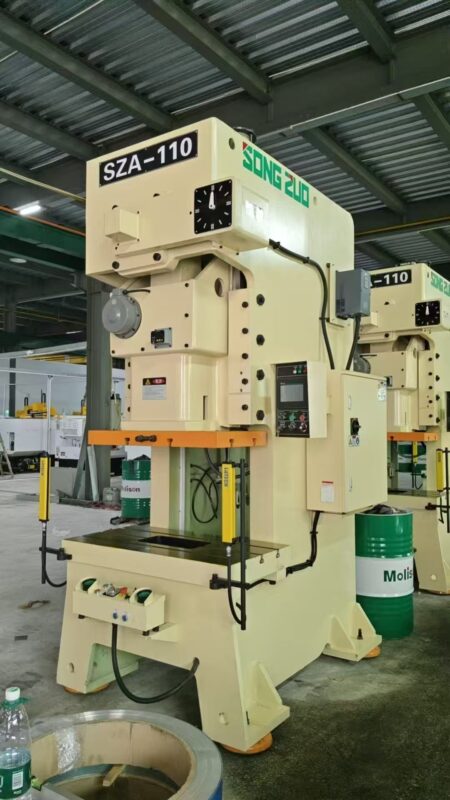
How to choose the tonnage of a punch press? The consequences of incorrect tonnage selection and a precise calculation guide
The core misunderstanding that many hardware processing factories, auto parts factories, and home appliance sheet metal purchasers often fall into when buying punch presses is improper tonnage matching.
If the tonnage is too small, batch defects such as non-penetrating sheet metal stamping, cracking of stretched parts, and deformation during bending may occur. Blindly purchasing large-tonnage punch presses will increase procurement costs, electricity consumption, waste of factory space, and persistently raise production and operation costs in the long term.
1. Core Calculation Formula for Punch Press Tonnage
The total pressure required for stamping (ton T) = the shear circumference of the sheet metal (mm) × the thickness of the sheet metal (mm) × the tensile strength of the material (MPa) ÷ 1000
Reserve a safety margin: Increase it by an additional 20% to 30% based on the calculation results to deal with the fluctuating hardness of the sheet, die wear, and multi-layer composite stamping conditions.
Cold-rolled steel plate: 300-400 mpa
Stainless steel 304:500-600MPa
Aluminum alloy: 180-250 mpa
Brass and red copper: 220-320 mpa
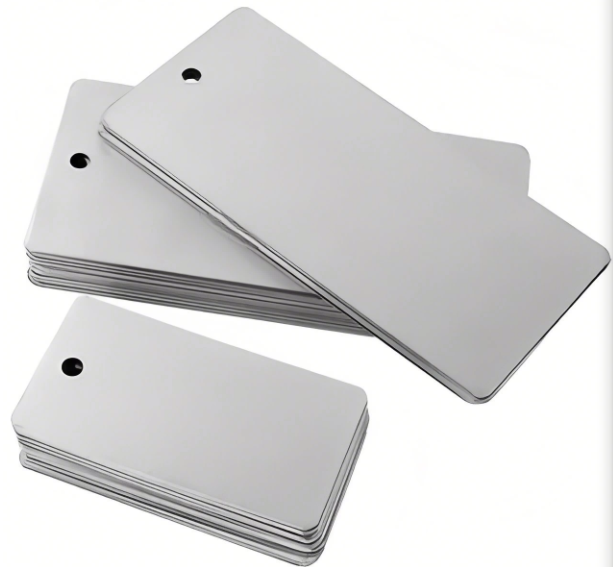
2. If the Tonnage Is Selected to Be Smaller, What Production Problems Will the Factory Encounte
Punching and blanking cannot completely cut the sheet, leaving burrs on the product edges. Secondary grinding increases labor costs.
During the stretching and forming processes, the workpieces cracked, wrinkled, and exceeded the dimensional deviation standard, resulting in a significant increase in the scrapping rate.
The crankshaft and connecting rod of the punch press have been operating under long-term overload, causing the machine body to deform and the precision to decline rapidly.
Frequent overloads trigger equipment protection shutdowns, disrupt assembly line production, and delay delivery.
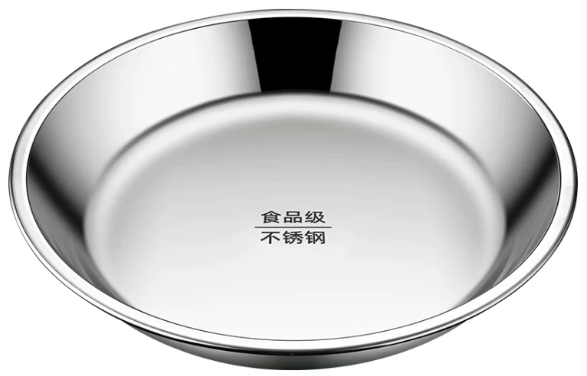
3. Choose a Larger Tonnage to Hide the Long-Term Cost Loss
The purchase price of equipment, transportation and hoisting costs have significantly increased, and a large amount of initial investment funds have been occupied;
The motor power of large-tonnage punch presses is higher, and the power consumption doubles during the no-load and mass production stages;
The body volume is larger, occupying more space in the factory building, and it cannot be matched with small automated feeding equipment;
When stamping thin and small parts, if the impact force is excessive, the die will be subjected to too much force, and the die wear rate will accelerate.
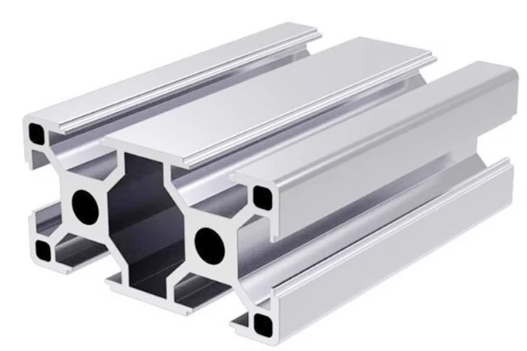
4. Reference Standard Tonnage Corresponding to Different Products
Small electronic terminals, PCB gaskets, ultra-thin hardware parts: 10T – 25T high-speed precision punch presses;
Kitchenware small accessories, switch metal spring pieces, microwave oven inner lining small parts: 25T – 45T pneumatic punch press;
Refrigerator back panels, small air conditioner sheet metal shells, ordinary car clips: 45T – 80T mechanical punch presses;
Automotive structural parts, thick steel plate stamping, deep drawing kitchenware: 100T – 200T servo deep throat press;
Cutting of large household appliance shells, heavy sheet metal components, and thick plates: large-tonnage punching for 200T and above.
5. Practical Suggestions for Customer Selection in Foreign Trade Procurement
Provide stamping product drawings, sheet material, thickness, and daily production capacity requirements. The manufacturer can accurately calculate the tonnage.
If the factory has plans to expand production or thicken the processing of plates in the future, a 15% tonnage margin can be reserved at the upper limit.
For overseas factories in Russia and Southeast Asia, servo systems with overload protection and adjustable pressure are preferred
For processing plants that produce multiple products in bulk, it is not recommended to use a single super-large tonnage equipment. A combination of large and small tonnages is more economical and efficient.