
In the tropical high-temperature workshops of India and Egypt, overheating of the clutch and brake assemblies of punch presses is the most common and difficult fault throughout the year. Many factories are accustomed to simply shutting down the machine to cool down, which only treats the symptoms but not the root cause. Soon after starting up, the machine will become hot again, the brakes will slip, and the workpiece positioning will drift. Continuous overheating will directly lead to carbonization of brake belts, failure of friction plates, annealing of springs, and aging of valve bodies, significantly increasing the wear and tear of parts and downtime losses. This article focuses on the five core causes of clutch and brake overheating in tropical dusty, high-temperature, and continuous mass production conditions. It provides directly applicable troubleshooting steps, debugging standards, and long-term cooling optimization plans, which are suitable for the universal rectification of both old and brand-new punch presses.
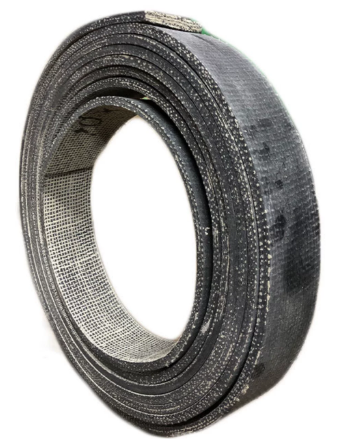
1. Brake clearance imbalance: The most common source of persistent heat generation
Insufficient clearance: The brake band and brake wheel remain in a slightly contacting state for a long time. The components keep rubbing against one another during the slider’s return stroke and idle stroke, continuously accumulating heat. Tropical environments already feature high ambient temperatures. Combined with heat generated by mechanical friction, the temperature can rise above 100 degrees Celsius within a short time.
Uneven gap on both sides: The gap on one side is too small and the fit is too tight, resulting in local high temperature and uneven wear on one side. This causes one side of the brake band to burn black while the other side remains normal, leading to unbalanced braking force and shaking during start and stop.
Insufficient reservation for thermal expansion: Under high-temperature conditions, the metal structure expands due to heat, and the originally standard gap will be passively reduced, resulting in heat generation during hot drag grinding. The temperate zone commissioning standards do not apply to the high-temperature workshops in summer in India and Egypt. A margin for thermal expansion must be reserved.
Inspection and debugging standards: Uniformly calibrate the brake clearance when the machine is cold to ensure symmetry on both sides and consistent stroke. During the hot season, moderately adjust and enlarge the gap to prevent thermal interference and friction.
2. Pneumatic circuit failure: Incomplete clutch release leads to heat generation during drag wear.
Poor exhaust of the double valve: Dust clogging the valve body and dirt accumulation on the exhaust holes cause the exhaust speed of the clutch brake to slow down, and the friction pair cannot be completely disengaged instantly, resulting in a “semi-engaged and semi-separated” drag wear state, causing continuous heating.
Cylinder seal aging and leakage: Wear of the rubber cup and sealing ring causes pressure relief, insufficient cylinder thrust, inadequate brake release and clutch disengagement stroke, and long-term slight friction accumulates high temperature.
Unstable air source pressure: Fluctuations in the power grid cause the pressure of the air compressor to fluctuate. When the pressure is insufficient, the brake release is incomplete, and the problem of heat generation under continuous mass production conditions continues to worsen.
Water and dust accumulation in pipelines: In the tropical humid and dusty environment, the air source carries high levels of moisture and dust. Long-term buildup inside the valve body may jam the valve spool and lead to delayed response, which serves as a core hidden cause of overheating.
3. The material of the brake belt is not suitable: rapid thermal aging and carbonization under high-temperature conditions.
The upper limit of the temperature resistance of the common economic friction belt is low, and it is only suitable for intermittent production in temperate zones. Under continuous stamping conditions in tropical zones, it is prone to thermal softening, thermal aging, and surface carbonization, with a sudden drop in the friction coefficient and a large amount of heat accumulation.
Inferior brake belts have loose materials and insufficient pressing density.:During the friction process, powder and carbon deposits fall off, and dust accumulates on the surface of the friction wheel, further increasing the frictional resistance and local high temperature.
Frequent inching and short-stroke high-frequency stamping: The number of starts and stops per unit time is high, the friction frequency is extremely high, and the heat accumulation speed far exceeds the heat dissipation speed. Ordinary parts cannot withstand the continuous heat load.
The protective cover is sealed and not ventilated: Many factories completely seal the clutch protective cover to prevent dust, preventing heat from circulating and dissipating, creating a sealed steamer environment that accelerates the aging and heating of components.
4. Large mechanical jamming resistance: Poor reset causes continuous friction
Lack of oil and rust on the brake swing rod, rotating shaft, and pin shaft, resulting in rotational jamming and poor brake reset and rebound, always maintaining a small amount of friction and contact.
The brake spring is fatigued, its elasticity is weakened, the reset pulling force is insufficient, the brake cannot be completely disengaged, and it is slightly worn over a long period of time.
The bearings are dry and stuck, the rotational resistance of the friction wheels is relatively large, the idle load increases, and the mechanical resistance is converted into a large amount of heat energy.
Mixed use of non-standard thickness brake straps: Non-standard thickness leads to abnormal bonding stroke, assembly interference, uneven force distribution, and local overloading and heating.
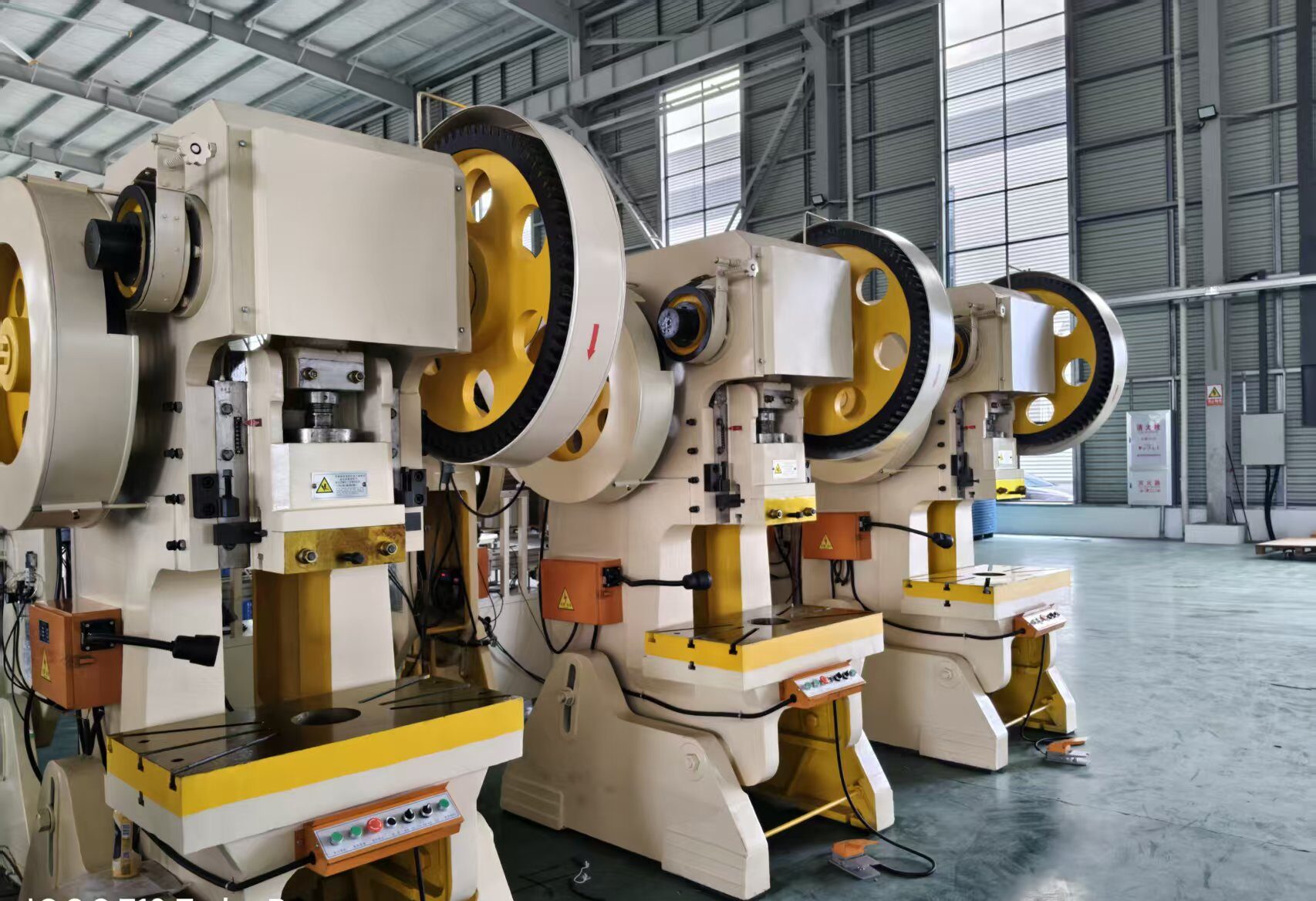
5. Specialized Cooling Optimization Plan for Tropical Workshops
Ventilation Renovation Optimization: The clutch guard is equipped with convection ventilation openings, eliminating the fully enclosed structure. The workshop airflow continuously removes frictional heat, reducing the steady-state temperature of the assembly.
Upgrade and compatible accessories: Uniformly replace the tropical high-temperature resistant dense brake straps and anti-aging cylinder seals to enhance the heat aging resistance from the material level and adapt to continuous mass production in summer.
Regular maintenance of the airway: Clean the dust on the valve body daily, drain the water weekly, and check the seal monthly to ensure smooth exhaust and sensitive operation, and prevent semi-clutch wear.
Production shift optimization: During the high-temperature noon period, avoid prolonged continuous inching stamping. Stop the machine in a timely manner to cool down and reduce fatigue damage caused by heat accumulation.
Regular oiling of the moving points of the entire machine: Periodic lubrication of the swing rod, pin shaft and bearings to eliminate mechanical jamming resistance and reduce unnecessary frictional heat generation from the source.