
The J23 open-type tilting mechanical press is the most widely used mainstream model in small and medium-sized sheet metal and hardware processing factories in India and Egypt. It features a massive market inventory and a high proportion of aging equipment. Local workshops are generally characterized by high temperature, heavy dust and unstable voltage. Most local factories lack standardized maintenance systems and mostly adopt a “replace-on-failure” emergency repair mode, which frequently causes equipment shutdowns, production interruptions, high maintenance costs and doubled wear of spare parts. Targeting the unique tropical working conditions of South Asia and North Africa, this paper systematically sorts out the standard replacement cycles for all wearing parts of the J23 press, covering new and old equipment as well as normal and high-temperature working conditions under heavy-load operation. It provides directly implementable maintenance schedules for manufacturing factories, and supports foreign trade spare parts agents in customer popularization, inventory planning and technical service empowerment.
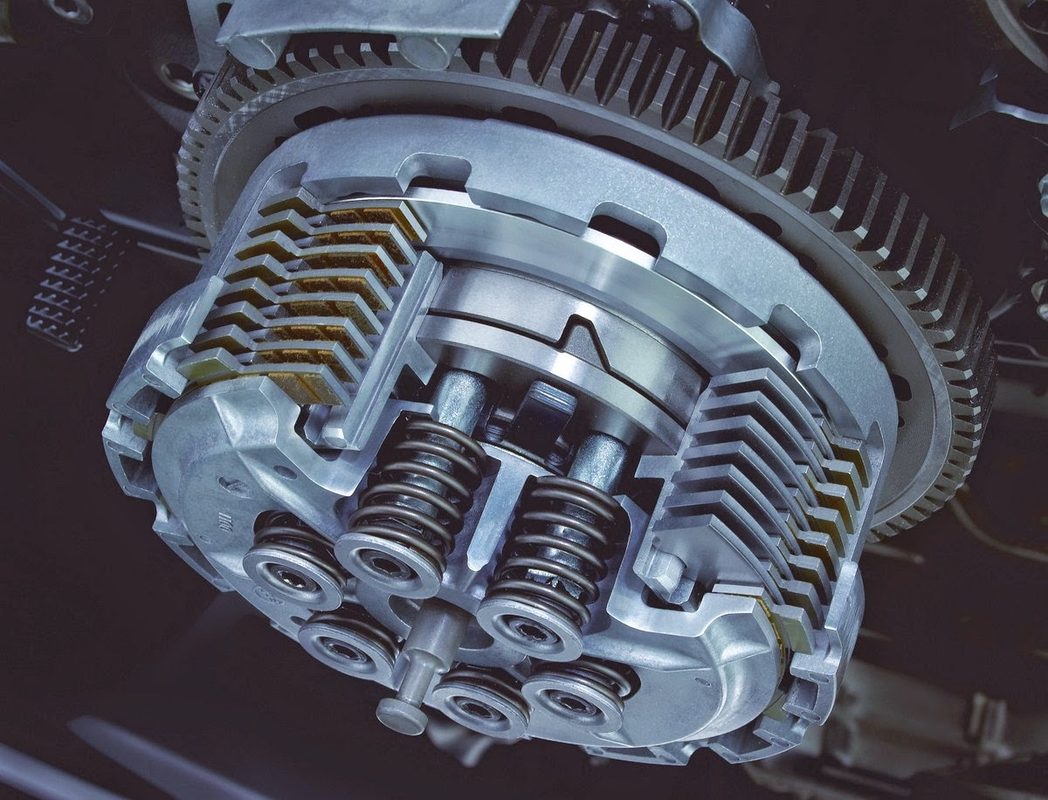
1. Replacement Cycle Of Friction Clutch And Brake System (Core High-Frequency Wearing Assembly)
Brake Band And Friction Band: For standard new machines operating under light-load conditions, replacement shall be carried out every 8 to 12 months. Under conditions of continuous high-temperature stamping, frequent inching and high-volume production of small workpieces, the replacement cycle shortens to 4 to 6 months. Old press frames feature intense vibration and large clearance deviation, leading to accelerated wear. Inspect wear loss every 3 to 5 months and implement mandatory replacement every 6 months to prevent high-temperature slippage and braking drift.
Clutch Friction Plates: Under conventional mass production conditions, replace every 6 to 10 months. For thick plate stamping and heavy-load continuous operation, replace every 3 to 5 months. If surface carbonization, partial blackening or slippage occurs during startup and shutdown, the friction plates must be replaced immediately rather than being used until fully worn out. This prevents clutch failure, slide stall and mold damage.
Brake Springs And Clutch Reset Springs: Conduct a full-machine inspection for elasticity attenuation, deformation and cracks every 12 months. Spring stiffness will keep declining under high-temperature fatigue conditions. Batch replacement of all springs is recommended every 24 months. Spring fracture poses a major safety hazard, which may cause sudden hand impact, slider dropping and press jamming.
2. Replacement Cycle Of Hydraulic Overload Protection System (Safety Critical Component)
Overload Oil Pump Seal Assembly: Conventional nitrile rubber seals feature a standard service life of 6 months. They tend to harden and cause oil leakage under tropical high-temperature conditions. Upgraded fluorine rubber high-temperature resistant seals can operate steadily for 12 to 18 months. Replace the assembly immediately once slight slow leakage or unstable pressure holding occurs. Production with defective equipment is strictly forbidden.
Pressure Regulating Spring And Check Valve Core Assembly: Long-term high-pressure impact leads to spring fatigue, valve core wear and deviation in pressure calibration. Disassembly, cleaning and performance testing are recommended every 18 months. Direct replacement is required after 24 months of service to avoid overload protection failure and false pressure relief faults.
High-Pressure Oil Pipes And Joint Sealing Rings: Rubber oil pipes age rapidly under high-temperature conditions with a standard replacement cycle of 12 months. Inspect joint gaskets and O-rings every six months to avoid oil pipe rupture, oil circuit pressure relief and insufficient overall machine pressure.
3. Replacement Cycle Of Pneumatic Control System (Core Actuation Assembly For Clutch And Brake)
Safety Double Valve: Blow and clean dust on the filter screen every month to avoid blockage of exhaust ports. Carry out a comprehensive inspection of internal seals and valve core assemblies every 12 months. Full replacement is recommended after 24 months of service to prevent poor exhaust, accelerated clutch wear and braking lag.
Cylinder Seals And Piston Cups: In dry and dusty environments, the service life is about 8 months. During humid rainy seasons with accelerated oxidation and rusting, the inspection and replacement cycle shall be shortened to 6 months. Air seal failure may cause incomplete reset, incomplete clutch disengagement, continuous friction and excessive heat generation.
Air Filter And Oil-Water Separator Filter Element: Stamping workshops contain massive dust and iron filings, which easily cause filter element clogging. Monthly cleaning is recommended, and replacement shall be carried out every 3 months to maintain dry and clean air supply and slow down internal wear of valve bodies and cylinders.
4. Replacement Cycle Of Press Frame Transmission Structure (Precision Maintenance Components)
Copper Worm Wheel And Worm Shaft: With adequate lubrication and clean working conditions, stable service life lasts 18 to 24 months. Wear will double under dusty, oil-short or high-temperature environments. In case of abnormal noise, frame shaking or slider jamming during downward stroke, inspect worm wheel clearance immediately. Direct replacement is required once the clearance exceeds allowable limits.
Connecting Rod Ball Heads, Ball Sockets And Shaft Sleeves: Long-term reciprocating impact easily generates clearance, leading to reduced stamping accuracy and excessive burrs on workpieces. Clearance inspection shall be implemented every 12 months as standard. Replace the components immediately once the clearance exceeds specifications instead of continuing operation until severe wear occurs.
Press Frame Transmission Bearings And Needle Roller Bearings: For new machines, perform maintenance and refilling of grease every 24 months. For aging equipment operating under high-temperature and heavy-vibration conditions, shorten the maintenance interval to 12 months. Timely replacement is required upon occurrence of abnormal noise, temperature rise or jamming to avoid spindle seizure and permanent damage.
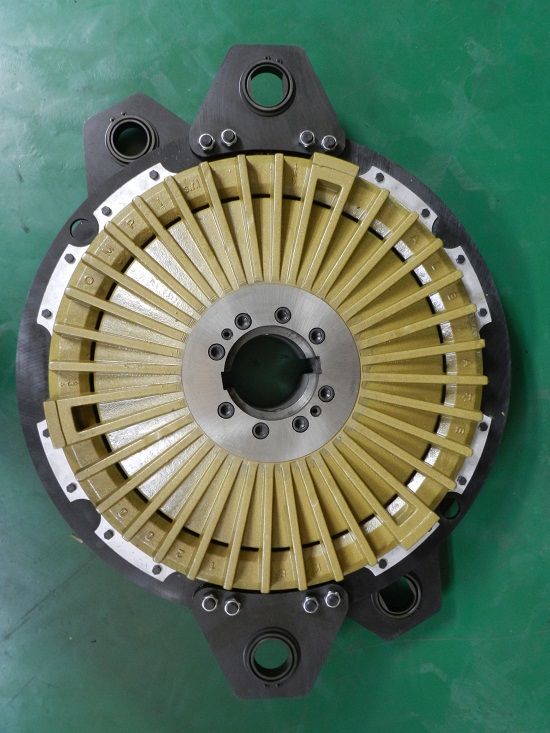
5. Replacement Cycle Of Electrical Induction And Auxiliary Sealing Accessories (High Incidence Of Hidden Failures)
Microswitches And Travel Limit Switches: Dust in dusty workshops easily invades switch contacts, resulting in poor contact and signal loss. The regular service life ranges from 6 to 10 months. For equipment with frequent start-stop cycles, replacement every 6 months is recommended to guarantee precise stamping counting, position limiting and braking signals.
AC Contactor And Relay Contacts: Power grid voltage fluctuates drastically in India and Egypt, which easily leads to contact erosion and welding adhesion. Disassembly, inspection and cleaning are recommended every 12 months. Immediate replacement is required in case of frequent tripping or false operation.
Whole machine Dust Proof Oil Seals And Guide Sleeve Sealing Rings: Inspect and perform batch replacement every 6 12 months. Once seals fail, dust, iron filings and water vapor will invade slideways and precision fitting positions, resulting in irreversible scratches and permanent accuracy deviation.