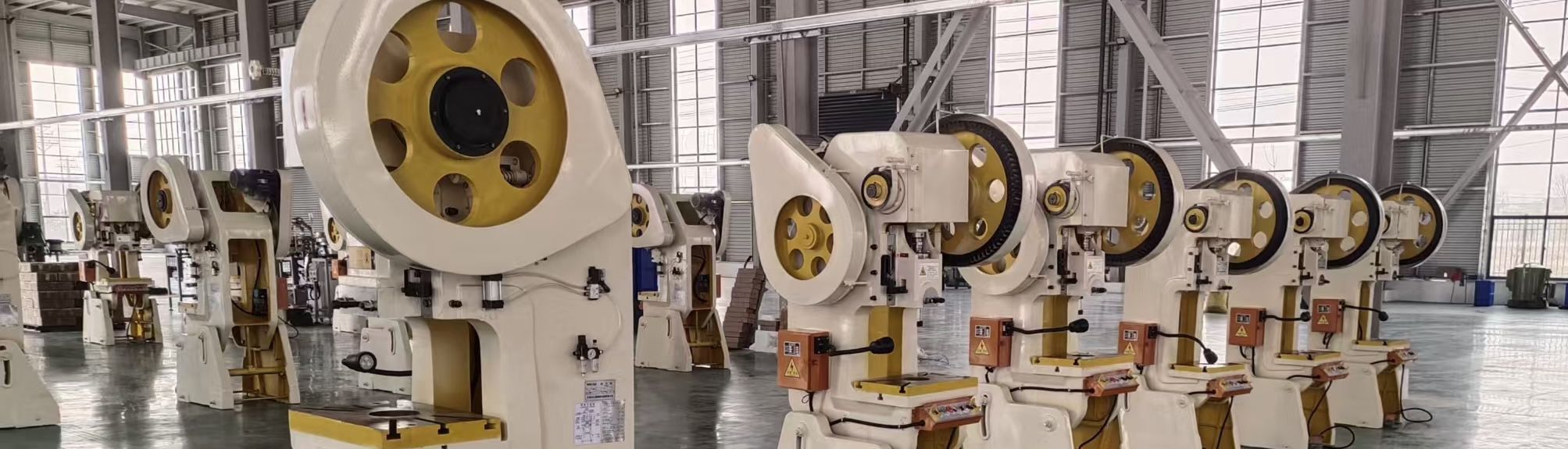
A comprehensive comparison of pneumatic punch presses and traditional mechanical punch presses, a core reference for foreign trade customers in selection
When global sheet metal processing factories purchase punch presses, they are most torn between pneumatic and ordinary mechanical models. The two have huge differences in structure, performance and applicable scenarios.This article breaks down and compares from six core dimensions to help overseas customers quickly match their production needs.
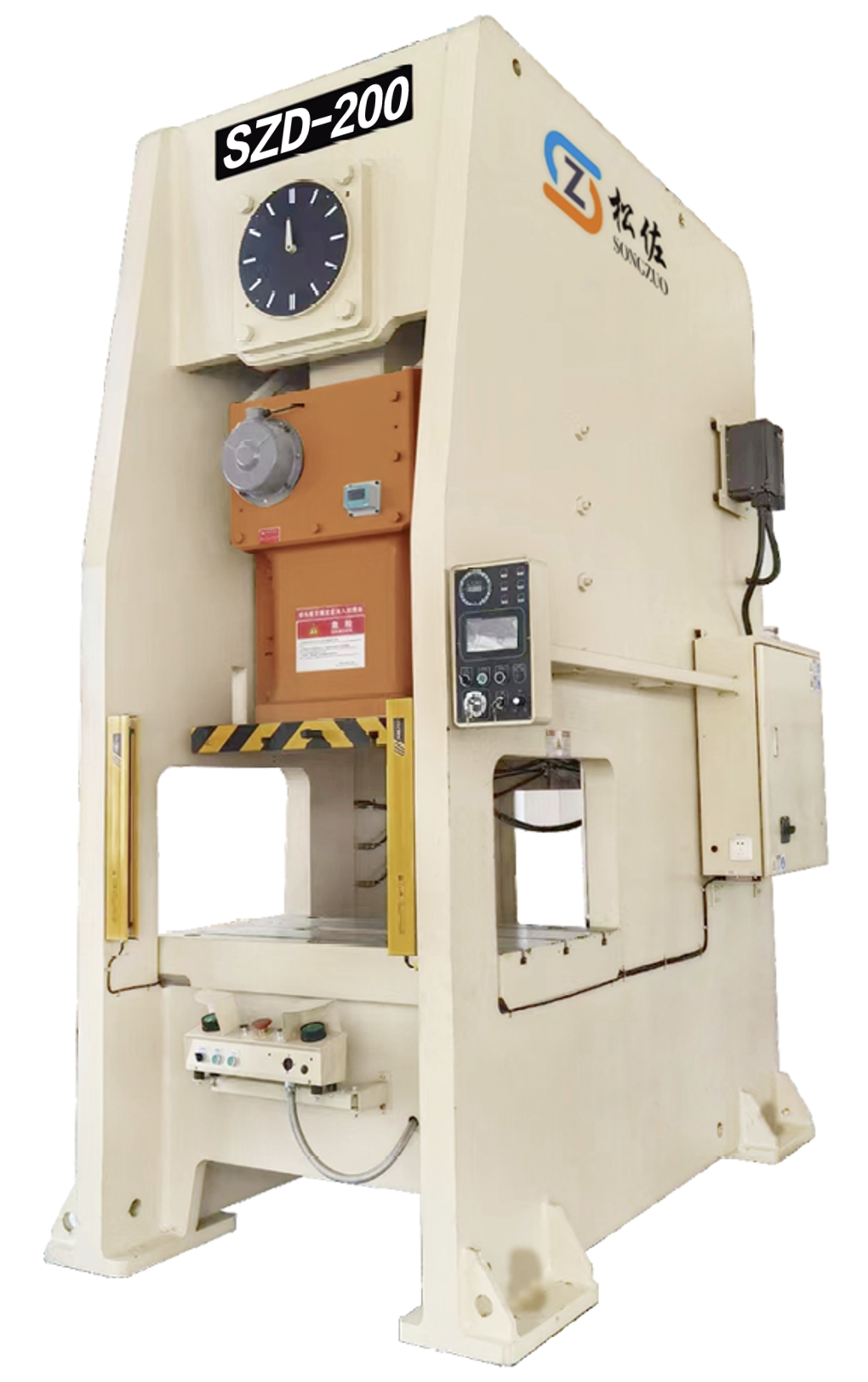
1. Dynamic Structure Differences
Mechanical punch press: Pure mechanical transmission of flywheel + crankshaft, relying on the rigidity of the clutch to drive the slider, traditional old-fashioned structure;
Pneumatic press: Equipped with a pneumatic clutch balance system for cylinders and a pneumatic balance cylinder buffer, the transmission is smoother. It is a mainstream export model for domestic and foreign trade.
2. Stamping Accuracy and Stability
Mechanical punch press: The single impact force is fixed without buffering. Thick plate stamping is prone to vibration, and the flatness deviation of thin plate finished products is large. The repeat positioning accuracy is ±0.05mm.
Pneumatic press: The air pressure buffer offsets the vibration, the slider runs smoothly, and the repeatability accuracy can reach ±0.03mm. It is suitable for mass production of precision hardware and kitchenware shells.
3. Production sSpeed Range
Pneumatic press: The stroke frequency can be infinitely adjusted, ranging from 20 to 120 times per minute, suitable for multiple processes such as punching, bending and stretching.
Mechanical punch press: Fixed stroke frequency, non-adjustable, 20 to 60 times per minute, suitable for single simple blanking processes;
4. Summary of Advantages and Disadvantages
4.1. Advantages of Mechanical Punch Presses
Low price, cheap maintenance parts, simple operation, suitable for small processing plants with extremely low budgets and single processes.
4.2. Disadvantages of Mechanical Punch Presses
The vibration is large, the noise is high, the impact force is uncontrollable, the mold wears out quickly, it is impossible to process precision drawn parts, the safety protection level is low, and it is difficult to pass the overseas EAC and CE certifications.
4.3. Advantages of Pneumatic Punch Presses
The operation is silent and shock-absorbing, with controllable force. It is compatible with multiple processes. The safety protection standards meet the export certifications of Europe, America and Russia. The service life of the mold is increased by 40%, and the mass production yield rate is higher.
4.4. Disadvantages of Pneumatic Punch Presses
The purchase price of the complete machine is 20% to 40% higher than that of the mechanical model, and the pneumatic components need to be maintained and replaced regularly.
5. Applicable Customer Scenario Classification
Select mechanical punch press: Small workshops, only doing simple punching and blanking, limited budget, no need for export certification;
Select pneumatic press: For batch kitchenware, automotive hardware, foreign trade export factories, multi-process compound stamping, and those pursuing a low scrap rate.